
New Hanover Neighbors Records
Public information about New Hanover neighbors is layered. A map can show the parcel beside an address. A tax record can name the account owner and mailing address. A recorded deed can show transfers and legal description. A voter record can confirm a known person's registration through defined fields. Each source is useful only for what it actually records, and none identifies every person on a block.
| Source | What it shows about a block | Access |
|---|---|---|
| GIS parcel and address layers | Parcel geometry, neighboring polygons, address points, municipal context | Public map and REST services |
| Tax parcel card | Owner, mailing address, situs, parcel ID, value and property evidence | Public portal, one parcel at a time; maintenance can limit access |
| Register of Deeds index | Transfers, named parties, legal descriptions, recorded instruments | Public index and images; online index is partial |
| Voter lookup or public file | Defined registration, address, precinct and history fields | Known-person lookup or lawful file request |
| Community directory | Organization name, category, website and public contact details | Wilmington public resource directory; no membership roster |
An account owner may be an entity, trustee, absentee owner, or other nonoccupant. Your New Hanover neighbors may include people absent from all of these sources. Treat ownership, registration, and community affiliation as separate observations.
New Hanover Neighbors Parcel Steps
The immediate-block process starts in the county's Find a Parcel experience, not with a name list. Select the starting parcel, turn on the parcel and address layers, and click the neighboring polygons. Capture the parcel ID and situs address for each one. Then use the Tax record for owner and mailing fields, and use the Register of Deeds trail for recorded transfers when that history is relevant.
- Locate the starting address and select its parcel.
- Turn on parcel and address layers, then identify each adjoining polygon.
- Write down each parcel ID and situs address exactly as shown.
- Open the corresponding Tax Department property record for owner and mailing information when available.
- Use the Register of Deeds index for the recorded-party and legal-description trail.
A parcel ID is the bridge among map, tax, and deed records. Mailing address is not situs, and it is not proof of current occupancy. The Tax portal was in maintenance during the research pass, so a user should recheck the live availability rather than assume each field is currently exposed.
New Hanover Neighbors Municipal Limits
Municipal limits matter even across one short block. The county's GIS can distinguish Wilmington, Carolina Beach, Kure Beach, Wrightsville Beach, and unincorporated New Hanover. Adjacent parcels may share a postal city yet fall under different municipal systems for permits, zoning, or code cases. Turn on the municipal layer before deciding which office or map applies.
The municipality classification service provides that county mapping context. It helps explain a jurisdictional difference, but it is not a legal survey and does not identify a resident. Note: A nearby parcel can have a different local custodian even when its mailing city looks the same.
New Hanover Neighbors: Owner or Occupant
The county tax record is strongest for a parcel account, not for a claim about who lives there. It may show an owner name, a mailing address, situs address, parcel ID, assessed value, characteristics, sale information, and sometimes an exemption clue. A mailing address might be an agent, lender, fiduciary, a different home, or a stale destination. An exemption can support an owner-occupancy inference, but it still does not identify every member of a household.
Recorded documents add the grantor, grantee, dates, and legal description, but a deed may concern a trustee, estate, entity, or prior owner. For a whole named street rather than the surrounding parcels, use the New Hanover street directory. The street workflow has the fuller address chain; the neighbors search stays focused on the immediate block.
New Hanover Neighbors Voter Limits
The North Carolina Voter Search is designed to locate a known registration using name, year of birth, county, and status. It can confirm defined registration fields for one person. It does not make an address a complete household roster. For the broader public file, North Carolina law provides a request route under N.C. Gen. Stat. §163-82.10, with statutory public and confidential field limits.
Protected voters and North Carolina Address Confidentiality Program participants are excluded or shielded as the law requires. Unregistered adults, renters, children, guests, and other household members will not be reliably represented. Use a voter result only as a defined registration record for the named person, not as an assertion about all New Hanover neighbors at an address.
New Hanover Neighbors Civic Contacts
Wilmington's Community Organizations directory is a public civic-contact layer. It lists organization name, category, website, address, city, and ZIP. The county's Boards, Commissions, and Committees page is another public affiliation layer. Neither is a private membership directory or a map of every person in a community.
| Porters Neck and Ogden | Named community leads; seek a public organization contact, not a roster. |
|---|---|
| Masonboro and Myrtle Grove | County-area context may differ from a Wilmington mailing label. |
| Carolina Beach, Kure Beach, Wrightsville Beach | Municipal and civic contacts should be matched to the mapped location. |
| Sunset Park, Forest Hills, Carolina Place, Westbrook-Ardmore, Audubon | Community names can guide a search for a voluntary public contact. |
See the Community Organizations directory as it presents organization categories and public contact fields.
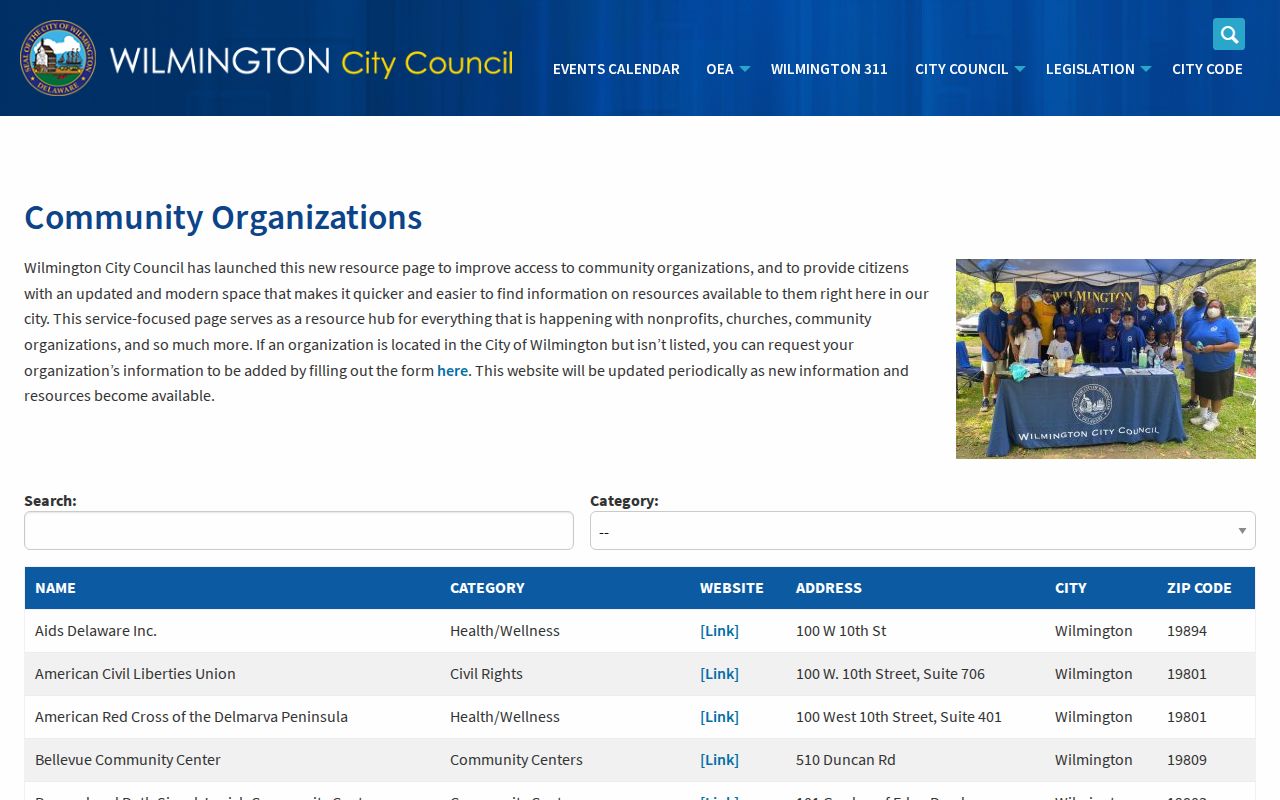
The public directory helps locate an organization or officer, not the people who belong to it.
Review the county Boards, Commissions, and Committees page for another public civic layer.
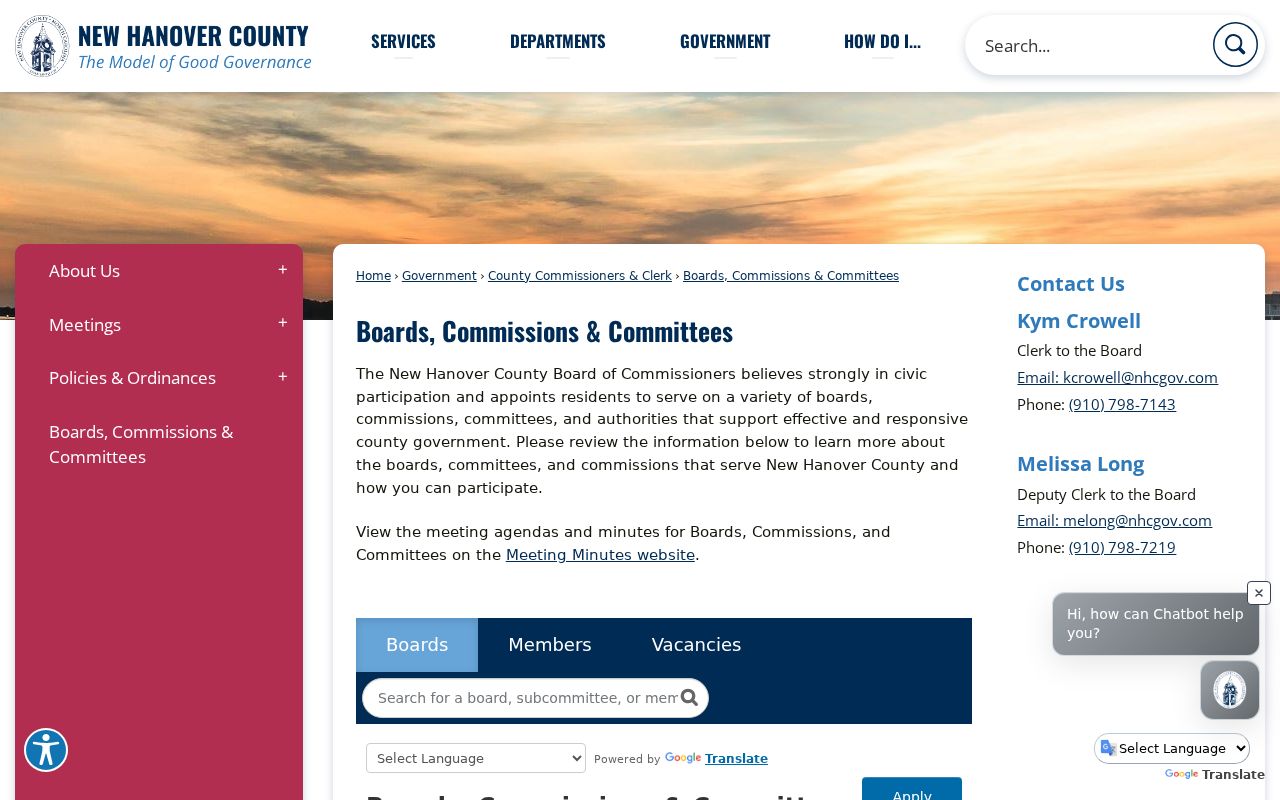
Board listings identify public governmental participation, not neighborhood membership or a block roster.
New Hanover Neighbors Source Comparison
Official records and commercial neighbor-lookup categories should not be treated as interchangeable. Official sources identify a custodian, a field set, and access limits. Commercial categories may combine address history and marketing data, but they can carry identity and accuracy limits that are difficult to test from a result alone. For a parcel question, begin with the map, tax account, and recorded-document sources that state what they hold.
| Source type | Strength | Important limit |
|---|---|---|
| County GIS, tax, and deed records | Parcel, account, recorded party, legal-description context | Owner and parcel evidence do not prove occupancy |
| Official voter source | Defined registration fields for a known person | Not a household or block list; protected fields are excluded |
| Commercial lookup category | May combine public and marketing data | Identity, currency, and lawful-use limits need independent checking |
| Civic directories | Public organization contact information | No private membership list |
When a record matters, preserve the parcel ID, instrument number, source URL, query date, and the field that produced the result. That makes a later check with the responsible custodian possible.
New Hanover Neighbors Privacy Limits
Privacy limits are part of an accurate neighbor search. Renters and household members may not appear in public parcel records. Utility and delivery information are not public resident directories. A tax owner does not prove an occupant, and a community listing does not prove membership. The North Carolina Address Confidentiality Program can provide a substitute address for eligible participants, while protected-voter provisions also limit disclosed information.
Keep the original source role with every note: parcel owner, mailing contact, registered voter, recorded party, or organization contact. That simple distinction prevents a valid public record from being overstated. It also makes it easier to correct a mistaken address, stale mailing field, or mismatched name through the office that maintains the record.
Lawful use. Use New Hanover neighbor records for personal, lawful research, civic curiosity, reconnecting, or safety awareness. Do not use public information to watch, harass, intimidate, or harm another person.
Requests for public records remain subject to the North Carolina Public Records Act and to the record-specific exceptions that protect confidential information. A missing result can reflect a privacy rule, an incomplete index, an unregistered resident, or a wrong jurisdiction.